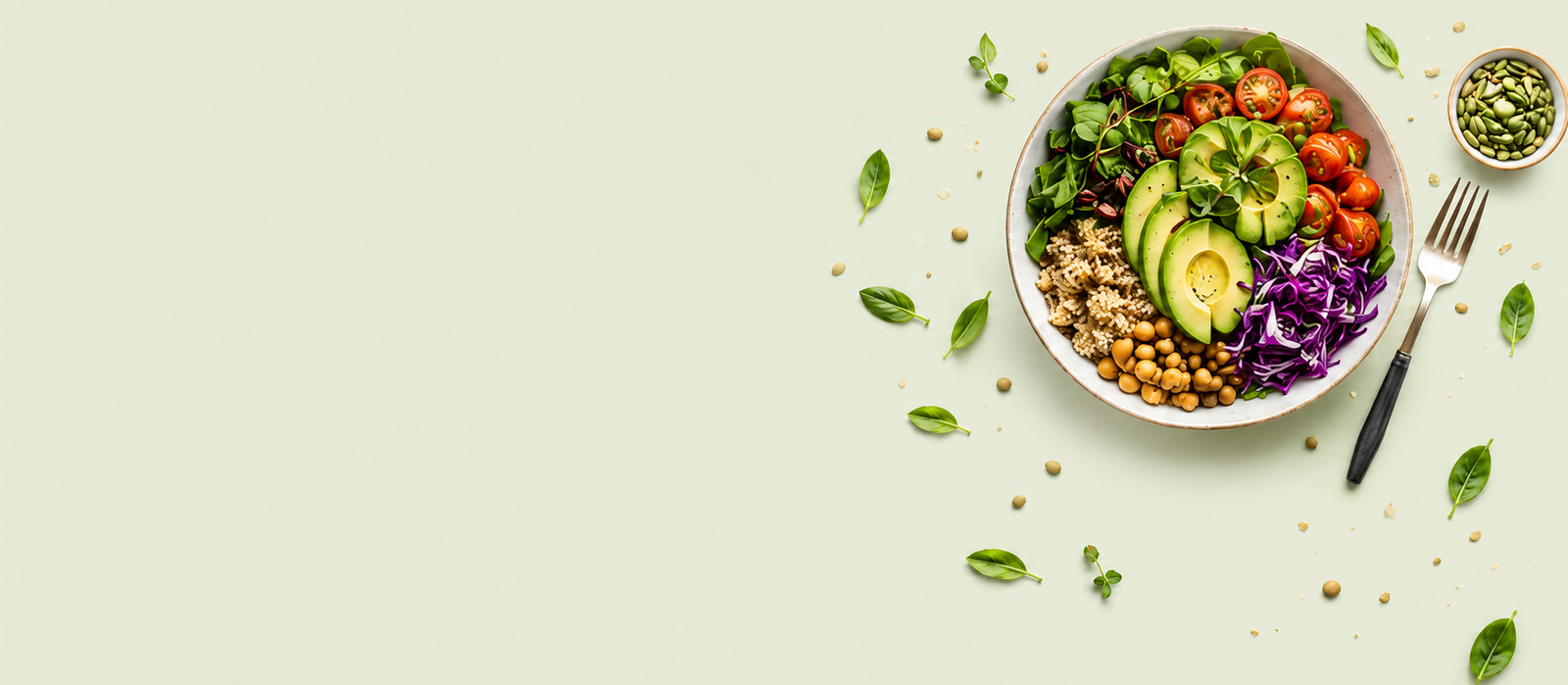
Busy workdays do not have to mean settling for a boring sandwich or grabbing whatever is closest at lunchtime. A well-balanced meal-prep bowl can be just as convenient, more satisfying, and easy to customize around the ingredients you already enjoy.
This collection focuses on three vegetarian bowls from the meal-prep idea: a Tofu Brown Rice Bowl, Lentil Veggie Bowl, and Chickpea Salad Bowl. Each combines a plant-based protein source with grains or vegetables to create a practical lunch that can be prepared ahead of time and packed for work.
The protein figures below are estimated, because the original meal-prep graphic provides the bowl names, ingredients, and target protein amounts but does not provide exact ingredient weights or brands. The quantities in this article are therefore designed to make each bowl workable as a single serving while keeping the nutrition reasonably close to the figures shown in the source.
1. Tofu Brown Rice Bowl
A tofu and brown rice bowl is one of the easiest vegetarian lunches to prepare in advance. The tofu provides the main protein, while brown rice makes the bowl hearty enough to carry you through a busy afternoon. Mixed vegetables add color, texture, and a useful variety of nutrients.
Recipe at a Glance
- Prep Time: 10 minutes
- Cook Time: 15–20 minutes
- Total Time: 25–30 minutes
- Servings: 1
- Serving Size: Approximately 400–430 g
- Estimated Calories: 550–600 kcal
- Estimated Protein: Approximately 32 g
Ingredients
- Extra-firm tofu — 180 g, pressed and cut into bite-size cubes
- Cooked brown rice — 150 g
- Mixed vegetables — 150 g
- Broccoli
- Bell pepper
- Carrot
- Green beans or zucchini
- Olive oil — 1 teaspoon (5 g)
- Low-sodium soy sauce — 1 tablespoon (15 g)
- Garlic — 1 small clove (3 g), finely minced
- Fresh lemon juice — 1 teaspoon (5 g)
- Black pepper — to taste
- Optional: chili flakes — ¼ teaspoon
How to Make the Tofu Brown Rice Bowl
1. Prepare the tofu.
If the tofu is packed in water, drain it and gently press it between clean kitchen towels for several minutes. Removing excess moisture helps the tofu brown rather than steam.
2. Season the tofu.
Place the tofu cubes in a bowl and toss them with half of the soy sauce, garlic, black pepper, and chili flakes if using.
3. Cook the tofu.
Heat the olive oil in a nonstick skillet over medium-high heat. Add the tofu in a single layer and cook for approximately 8–10 minutes, turning occasionally. The outside should become golden and lightly crisp.
4. Cook the vegetables.
Add the mixed vegetables to the same pan once the tofu is nearly done. Stir-fry for 4–6 minutes, until the vegetables are tender-crisp. Avoid cooking them until completely soft; a little bite makes a meal-prep bowl much more enjoyable.
5. Add the remaining seasoning.
Stir in the remaining soy sauce and lemon juice. Cook for another 30–60 seconds.
6. Assemble the bowl.
Add the cooked brown rice to a meal-prep container. Arrange the tofu and vegetables over the top. Allow the food to cool appropriately before sealing and refrigerating.
How to Know It’s Ready
The tofu should have lightly browned edges and feel firm rather than wet. The vegetables should be cooked through but still retain some color and texture.
Why This Bowl Works
Tofu supplies a substantial amount of plant-based protein, while brown rice contributes carbohydrates and some additional protein. The vegetables increase the volume of the meal without making it excessively heavy.
Estimated Nutrition Per Serving
- Calories: ~570 kcal
- Protein: ~32 g
- Carbohydrates: ~65–70 g
- Fat: ~20 g
- Fiber: ~8–10 g
- Sugar: ~6–8 g
- Sodium: ~600–800 mg, depending largely on the soy sauce
These numbers are estimates and can change significantly depending on the tofu brand, rice quantity, soy sauce, and vegetables used.
Easy Substitutions
- Brown rice → quinoa: Adds a slightly nuttier flavor and changes the texture while keeping the bowl filling.
- Tofu → tempeh: Creates a firmer, nuttier bowl and can increase protein depending on the brand.
- Soy sauce → low-sodium tamari: Useful for reducing sodium while keeping a similar savory flavor.
- Fresh vegetables → frozen mixed vegetables: A convenient option for meal prep. No need to fully thaw them before stir-frying.
Storage & Meal Prep
Store the bowl in an airtight container in the refrigerator and aim to eat it within 3–4 days for best quality and food safety. If possible, cool cooked ingredients promptly and refrigerate them rather than leaving them at room temperature for an extended period.
For the best texture, reheat the rice, tofu, and vegetables until thoroughly hot. A microwave works well, although reheating the tofu in a skillet or air fryer can help restore some crispness.
2. Lentil Veggie Bowl
Lentils are an especially practical meal-prep ingredient because they are inexpensive, filling, easy to cook, and naturally rich in plant protein and fiber. Paired with cucumber and tomatoes, they make a fresh-tasting lunch that does not feel overly heavy.
Recipe at a Glance
- Prep Time: 10 minutes
- Cook Time: 20–25 minutes if using dry lentils
- Total Time: 30–35 minutes
- Servings: 1
- Serving Size: Approximately 400–450 g
- Estimated Calories: 450–520 kcal
- Estimated Protein: Approximately 30 g
Ingredients
- Cooked green or brown lentils — 200 g
- Cucumber — 100 g, diced
- Tomatoes — 120 g, diced
- Cooked quinoa — 80 g
- Plain Greek yogurt — 80 g
- Lemon juice — 1 tablespoon (15 g)
- Olive oil — 1 teaspoon (5 g)
- Fresh parsley or cilantro — 1 tablespoon
- Ground cumin — ¼ teaspoon
- Black pepper — to taste
- Salt — a small amount, if needed
How to Make the Lentil Veggie Bowl
1. Cook the lentils if necessary.
If starting with dry lentils, rinse them thoroughly. Simmer in water until tender but not mushy. Cooking time varies by lentil type, so begin checking them early. Drain well and allow them to cool.
2. Prepare the vegetables.
Dice the cucumber and tomatoes into similarly sized pieces. Keeping the pieces relatively small makes it easier to get a little of everything in each forkful.
3. Make the simple dressing.
Whisk together the Greek yogurt, lemon juice, olive oil, cumin, and black pepper. Add a small splash of water if you want a thinner dressing.
4. Build the bowl.
Add the cooked lentils and quinoa to a container or bowl. Top with cucumber, tomatoes, and fresh herbs.
5. Add the dressing.
For meal prep, keep the dressing in a separate small container if possible. Add it shortly before eating to keep the vegetables crisp.
How to Know the Lentils Are Ready
Properly cooked lentils should be tender enough to bite easily while still holding their shape. If they become very soft and mushy, the finished bowl will have less texture.
Estimated Nutrition Per Serving
- Calories: ~490 kcal
- Protein: ~30 g
- Carbohydrates: ~65 g
- Fat: ~12–14 g
- Fiber: ~15–17 g
- Sugar: ~8–10 g
- Sodium: ~250–450 mg before any additional salt
The exact nutrition depends on the lentil variety, yogurt brand, quinoa quantity, and dressing ingredients.
Why This Bowl Is So Satisfying
Lentils provide both protein and dietary fiber, which makes them particularly useful in a lunch designed to be filling. Quinoa adds another source of plant protein and carbohydrates, while cucumber and tomatoes bring freshness and crunch.
The combination is also useful for meal prep because the ingredients can be prepared separately and assembled quickly.
Useful Substitutions
- Greek yogurt → unsweetened soy yogurt: Works for a dairy-free or vegan version, although protein content may change.
- Quinoa → brown rice: More economical in some kitchens and still works well with the lentils.
- Cucumber → bell pepper: Gives the bowl a slightly sweeter, crunchier texture.
- Fresh tomatoes → cherry tomatoes: Hold their texture particularly well during refrigeration.
Storage & Meal Prep
Keep the cooked lentils, quinoa, vegetables, and dressing refrigerated in sealed containers. For the freshest result, store the dressing separately and combine everything just before eating.
Because cucumber and tomatoes release water over time, this bowl is at its best when eaten within 2–3 days, although properly refrigerated cooked components can generally be kept according to standard food-safety guidance.
3. Chickpea Salad Bowl
This chickpea salad bowl is the quickest option of the three when cooked chickpeas are already available. There is no complicated cooking technique involved: combine the ingredients, make a bright dressing, and pack everything into a container.
The original graphic lists chickpeas, bell peppers, and spinach and gives a target of approximately 28 g protein. The recipe below builds around those ingredients while adding a small amount of quinoa and a protein-rich dressing to make the bowl more substantial.
Recipe at a Glance
- Prep Time: 10 minutes
- Cook Time: 0–5 minutes
- Total Time: 10–15 minutes
- Servings: 1
- Serving Size: Approximately 380–420 g
- Estimated Calories: 480–550 kcal
- Estimated Protein: Approximately 28 g
Ingredients
- Cooked chickpeas — 180 g, drained and rinsed
- Cooked quinoa — 100 g
- Bell pepper — 100 g, diced
- Fresh spinach — 60 g
- Plain Greek yogurt — 80 g
- Lemon juice — 1 tablespoon (15 g)
- Olive oil — 1 teaspoon (5 g)
- Garlic — ½ small clove, finely minced
- Ground cumin — ¼ teaspoon
- Black pepper — to taste
- Optional: chopped parsley — 1 tablespoon
- Optional: chili flakes — ¼ teaspoon
How to Make the Chickpea Salad Bowl
1. Rinse the chickpeas.
If using canned chickpeas, drain them thoroughly and rinse under cool running water. Shake off as much excess water as possible.
2. Prepare the vegetables.
Dice the bell pepper into small pieces. Wash the spinach thoroughly if needed and pat or spin it dry.
3. Make the dressing.
Mix Greek yogurt, lemon juice, olive oil, garlic, cumin, and black pepper in a small bowl. If the dressing is too thick, add 1–2 teaspoons of water.
4. Combine the base.
Add chickpeas and cooked quinoa to a large bowl. Toss gently so the chickpeas remain intact.
5. Add the vegetables.
Fold in the bell pepper and spinach. If using parsley or chili flakes, add them now.
6. Finish and pack.
Add the dressing immediately if you are eating the bowl soon. For meal prep, keep the dressing separate and mix it in shortly before serving.
Texture & Doneness
Since this is primarily a no-cook bowl, the most important thing is texture. The chickpeas should be tender but not falling apart, the bell pepper should remain crisp, and the spinach should look fresh rather than wilted.
Estimated Nutrition Per Serving
- Calories: ~520 kcal
- Protein: ~28 g
- Carbohydrates: ~65–70 g
- Fat: ~15–17 g
- Fiber: ~13–15 g
- Sugar: ~8–10 g
- Sodium: ~300–500 mg, depending on the chickpeas and yogurt
Again, these are estimates rather than laboratory-tested values. Canned chickpeas, in particular, can differ considerably in sodium.
Why This Bowl Is a Good Work Lunch
Chickpeas provide plant protein and fiber, while quinoa contributes additional protein and carbohydrates. Bell peppers and spinach add vegetables without requiring much preparation.
The yogurt-based dressing also gives the bowl a creamy element without requiring a heavy sauce.
Useful Substitutions
- Greek yogurt → unsweetened soy yogurt: Creates a dairy-free option.
- Quinoa → brown rice: Makes the bowl more familiar and slightly changes the texture.
- Fresh spinach → kale: More robust for meal prep, although kale has a firmer texture.
- Bell pepper → cucumber: Creates a cooler, crunchier salad-style bowl.
- Greek yogurt dressing → tahini-lemon dressing: Gives a richer, nuttier flavor, although calories and fat will increase.
How to Meal Prep These Vegetarian Bowls
If you are preparing several lunches at once, the easiest approach is to cook the components rather than assembling every bowl immediately.
Step 1: Prepare the grains
Cook a batch of brown rice and/or quinoa. Spread the cooked grains into shallow containers or dishes so they can cool efficiently before refrigeration.
Step 2: Prepare your proteins
Cook the tofu and lentils. If using canned chickpeas, simply drain and rinse them.
Step 3: Wash and cut vegetables
Prepare enough vegetables for the bowls you plan to eat during the next few days. Keep delicate ingredients such as cucumber and dressed spinach separate when possible.
Step 4: Prepare dressings separately
Small leak-proof containers work well for yogurt-based or lemon-based dressings. Keeping dressing separate prevents vegetables and grains from becoming soggy.
Step 5: Assemble when practical
Build the bowls with the sturdier ingredients on the bottom and delicate vegetables toward the top. Add dressing just before eating.
Common Mistakes to Avoid
1. Using wet tofu
Extra moisture prevents tofu from browning properly. Press it before cooking and avoid crowding the pan.
2. Overcooking vegetables
Meal-prep vegetables continue to soften during storage and reheating. Cook them until just tender rather than completely soft.
3. Making the dressing too early
Cucumber, tomatoes, spinach, and other fresh vegetables can become watery when sitting in dressing for several days. Store dressings separately whenever possible.
4. Forgetting sodium in canned ingredients
Canned chickpeas and soy sauce can contribute a considerable amount of sodium. Choose low-sodium versions where available and adjust added salt accordingly.
5. Measuring cooked and uncooked ingredients interchangeably
A quantity such as 150 g cooked rice is not equivalent to 150 g dry rice. Always pay attention to whether a measurement refers to the ingredient before or after cooking.
6. Treating protein numbers as exact
Protein content varies by brand and preparation method. Tofu, yogurt, lentils, chickpeas, quinoa, and other ingredients can all have different nutrition labels. If protein intake is important to you, check the nutrition panel of the specific products you purchase.
Ways to Increase Protein Without Making the Bowls Boring
If you want to push the protein higher, you do not need to simply make the bowl much larger.
For the tofu bowl, use a higher-protein extra-firm tofu or add a small amount of shelled edamame.
For the lentil bowl, increase the lentils slightly or use a higher-protein Greek yogurt dressing.
For the chickpea bowl, adding edamame, tofu, or a higher-protein yogurt can raise the protein content while keeping the basic flavor profile intact.
The key is to increase protein without removing the vegetables, grains, and textures that make the meal enjoyable.
Storage & Food-Safety Notes
Keep prepared bowls refrigerated in clean, airtight containers. A refrigerator should be kept at 4°C / 40°F or below.
For best quality, prepare only as much food as you can reasonably eat within the recommended refrigerated storage period. Keep fresh vegetables and dressings separate when texture is important.
Do not rely on smell or appearance alone to determine whether refrigerated food is safe to eat. When in doubt, discard it.
For work lunches, use an insulated lunch bag with a suitable cold source if the food will be outside the refrigerator for an extended period.
Frequently Asked Questions
Can I make these bowls ahead of time?
Yes. All three are designed with meal prep in mind. The tofu and lentil bowls benefit from keeping the dressing or wet ingredients separate. The chickpea bowl is particularly quick to assemble if the quinoa and chickpeas are already prepared.
Which bowl has the most protein?
The source graphic lists approximately 32 g for the Tofu Brown Rice Bowl, 30 g for the Lentil Veggie Bowl, and 28 g for the Chickpea Salad Bowl. Actual protein will depend on the exact quantities and brands used.
Are these bowls vegetarian?
Yes. This article intentionally uses vegetarian ingredients only. The original graphic also contains non-vegetarian bowl ideas, but those have not been included here because this collection focuses specifically on the vegetarian options.
Can I make these bowls vegan?
Yes, with simple adjustments. Replace Greek yogurt with an unsweetened plant-based yogurt or another suitable plant-based dressing. Check the nutrition label because the protein content may change.
Can I use canned chickpeas?
Absolutely. Drain and rinse them well before using. If sodium is a concern, choose no-salt-added or low-sodium chickpeas.
Can I use frozen vegetables?
Yes. Frozen broccoli, carrots, peas, green beans, and mixed vegetables are all practical choices for the tofu bowl. Cook them until just tender so they retain some texture.
How can I make the bowls more filling?
Increase the amount of vegetables and use an appropriate portion of protein-rich ingredients such as tofu, lentils, chickpeas, Greek yogurt, edamame, or quinoa. Fiber-rich ingredients can also make a meal more satisfying.
Why does my meal-prep bowl become watery?
Fresh vegetables such as cucumber and tomatoes naturally release water after they are cut. Dressing can speed this up. Keep the dressing separate and add it shortly before eating for a fresher texture.
Final Takeaway
A good work lunch does not need an elaborate recipe or a long ingredient list. These three vegetarian meal-prep bowls follow a simple formula: plant-based protein + a satisfying carbohydrate + plenty of vegetables + a flavorful dressing or seasoning.
The Tofu Brown Rice Bowl is the heartiest option, the Lentil Veggie Bowl brings plenty of fiber and a fresh combination of vegetables, and the Chickpea Salad Bowl is the fastest to assemble when you already have cooked grains and chickpeas ready.
Prepare the components in advance, keep delicate ingredients and dressings separate, and you can have several balanced lunches ready to go without spending your entire Sunday in the kitchen.