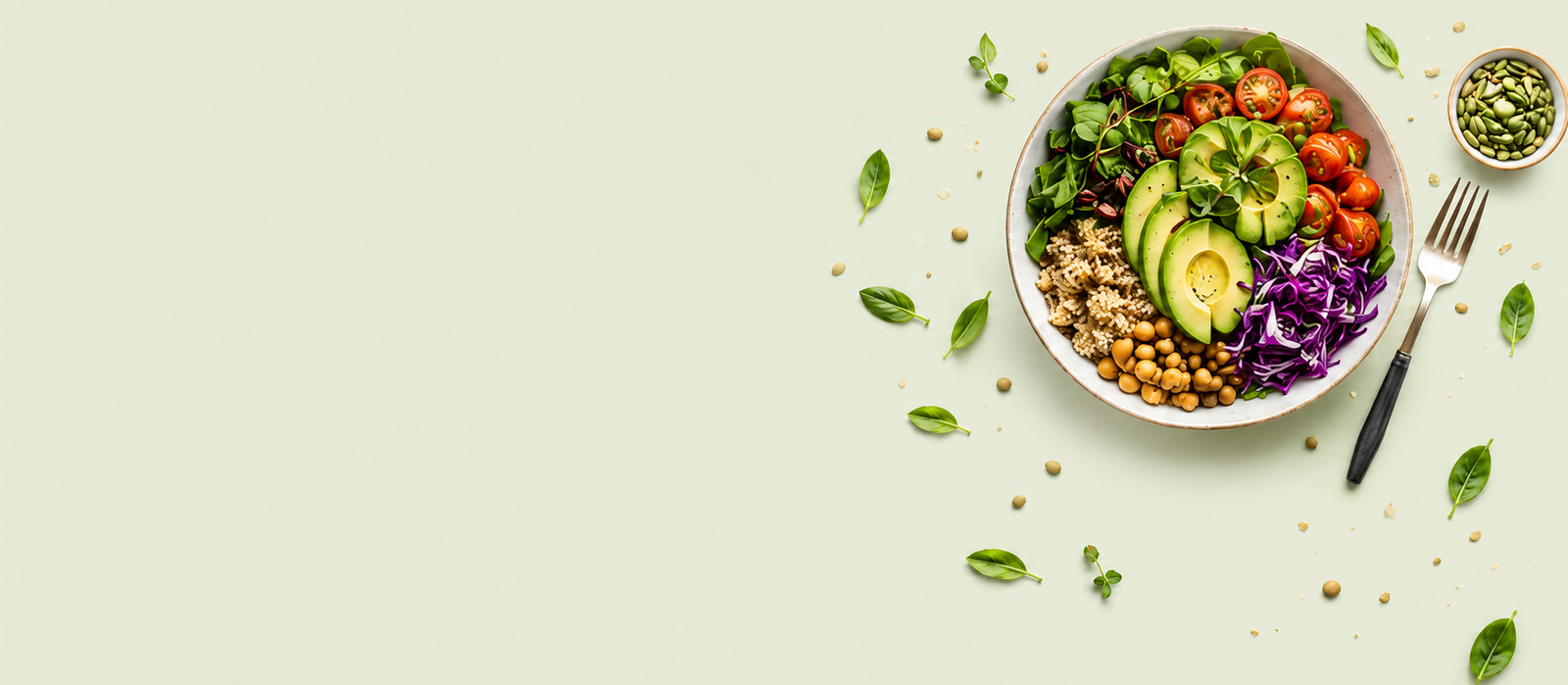
Gut-friendly food does not have to be bland, complicated, or built around expensive ingredients. Some of the most useful meals for a plant-forward diet come from familiar foods already found in the kitchen—moong dal, rice, oats, lentils, vegetables, chickpeas, fermented foods, yogurt, and fresh herbs.
This collection brings together the 10 vegetarian recipes featured in the provided healthy-recipes infographic: Green Moong Dal Khichdi, Probiotic Smoothie Bowl, Quinoa & Veggie Bowl, Beetroot & Carrot Soup, Fermented Rice Porridge, Lentil & Veggie Stew, Pumpkin & Coconut Soup, Chickpea & Spinach Curry, Oats Upma Bowl, and Fermented Idli Bowl.
Every recipe below is designed specifically for 2 people, with practical measurements, approximate serving weights, preparation and cooking times, estimated nutrition, protein, ingredient benefits, substitutions, storage instructions, meal-prep ideas, common mistakes, and the cooking details that actually matter.
A quick reminder about the phrase “gut-friendly”: everyone’s digestion is different. High-fiber foods, legumes, fermented foods, and certain vegetables can be wonderful additions to a balanced diet, but they can also cause temporary bloating or discomfort when someone suddenly increases their intake. Start with comfortable portions and increase fiber gradually if needed.
Nutrition note: Nutrition figures are estimates based on standard ingredients and the quantities listed. Actual values vary according to brands, ingredient sizes, cooking methods, and portion sizes.
1. Green Moong Dal Khichdi
Green moong dal khichdi is the kind of meal that proves simple food can still be deeply satisfying. Rice and whole green moong dal cook together until tender, creating a soft, comforting texture that works beautifully for lunch or dinner.
A little ginger, cumin, turmeric, and ghee gives the dish much more character than its short ingredient list suggests.
Recipe at a Glance
- Servings: 2
- Serving Size: approximately 350–375 g
- Prep Time: 10 minutes
- Soaking Time: 30 minutes
- Cook Time: 25–30 minutes
- Total Time: approximately 1 hour 10 minutes
- Calories: approximately 410 per serving
- Protein: approximately 15 g per serving
- Method: Stovetop/pressure cooker
Ingredients
- 100 g green moong dal, rinsed
- 80 g basmati rice, rinsed
- 1 tablespoon ghee (14 g)
- 1 teaspoon cumin seeds
- 1 teaspoon grated fresh ginger
- 1/2 teaspoon turmeric
- 750 ml water
- 80 g carrots, diced
- 60 g spinach, chopped
- 1/2 teaspoon salt, or to taste
- 1/4 teaspoon black pepper
- Fresh coriander, for serving
How to Make It
- Rinse the moong dal and rice separately until the water runs mostly clear.
- Soak the green moong dal for approximately 30 minutes. Drain before cooking.
- Heat ghee in a heavy-bottomed pot over medium heat.
- Add cumin seeds. When they begin to sizzle, add ginger and cook for about 30 seconds.
- Add turmeric, drained moong dal, rice, carrots, salt, and water.
- Bring everything to a boil, then reduce the heat to low.
- Cover and simmer for approximately 25–30 minutes, stirring once or twice, until the rice and dal are very tender.
- Add spinach during the final 3–4 minutes.
- If the khichdi becomes too thick, add a little hot water and stir until you reach a soft, spoonable consistency.
- Finish with black pepper and fresh coriander.
How to Know It Is Ready
The rice and dal should be very soft and should easily mash when pressed against the side of the pot. Khichdi should be softer than ordinary cooked rice—it should have a loose, porridge-like consistency.
Why It Works
Green moong provides plant protein and fiber, while rice supplies easily accessible carbohydrates. Ginger, cumin, turmeric, carrots, and spinach contribute flavor and additional plant nutrients.
Substitutions
- Use yellow moong dal for a softer, quicker-cooking version.
- Replace rice with millet, although the cooking time and liquid requirement will change.
- Use olive oil instead of ghee for a dairy-free version.
Storage
Refrigerate leftovers in a sealed container for 3–4 days.
When reheating, add several tablespoons of water because khichdi naturally thickens as it sits.
2. Probiotic Smoothie Bowl
A smoothie bowl can be much more satisfying than a regular smoothie because the thicker texture encourages you to eat it slowly and gives you room for toppings.
For this version, yogurt provides creaminess and may provide live cultures if you choose a yogurt that contains them. Berries and banana provide sweetness, while chia seeds add texture and fiber.
Recipe at a Glance
- Servings: 2
- Serving Size: approximately 300 g
- Prep Time: 10 minutes
- Cook Time: None
- Total Time: 10 minutes
- Calories: approximately 330 per serving
- Protein: approximately 14 g per serving
- Method: Blender
Ingredients
- 250 g plain Greek yogurt with live cultures
- 150 g frozen mixed berries
- 120 g banana
- 60 ml milk of choice
- 20 g chia seeds
- 1 teaspoon honey or maple syrup, optional
- 30 g pumpkin seeds
- 40 g fresh berries, for topping
How to Make It
- Add Greek yogurt, frozen berries, banana, milk, and chia seeds to a blender.
- Blend until smooth. Keep the added liquid relatively low—the mixture should be considerably thicker than a drinkable smoothie.
- Taste before adding sweetener. If the berries and banana are sufficiently sweet, you may not need any.
- Divide between two bowls.
- Top with fresh berries and pumpkin seeds.
Texture Tip
If your blender struggles with the thick mixture, stop and scrape down the sides rather than immediately adding a lot of liquid. Too much liquid turns a smoothie bowl into a regular smoothie.
Gut-Friendly Note
If you specifically want yogurt containing live cultures, check the package label rather than assuming every yogurt contains the same cultures.
Storage
Smoothie bowls are best eaten immediately. You can prepare the fruit and yogurt ingredients ahead of time, but the finished bowl is best when freshly blended.
3. Quinoa & Veggie Bowl
This is a flexible everyday bowl rather than a recipe that demands perfect precision. Quinoa forms the base, roasted vegetables bring sweetness and texture, and chickpeas add substance.
The lemon dressing keeps everything fresh and prevents the bowl from feeling heavy.
Recipe at a Glance
- Servings: 2
- Serving Size: approximately 400 g
- Prep Time: 15 minutes
- Cook Time: 25 minutes
- Total Time: 40 minutes
- Calories: approximately 470 per serving
- Protein: approximately 17 g per serving
- Method: Oven + stovetop
Ingredients
- 100 g dry quinoa
- 200 ml water
- 150 g zucchini, sliced
- 120 g bell pepper, sliced
- 120 g broccoli florets
- 160 g cooked chickpeas, drained
- 60 g spinach
- 1 tablespoon olive oil (14 g)
- 1 tablespoon lemon juice
- 1/2 teaspoon cumin
- 1/2 teaspoon smoked paprika
- Black pepper
- Salt to taste
How to Make It
- Rinse quinoa thoroughly.
- Combine quinoa and water in a saucepan. Bring to a boil, then cover and simmer for 12–15 minutes.
- Turn off the heat and let the quinoa sit covered for 5 minutes. Fluff with a fork.
- Preheat the oven to 200°C / 400°F.
- Toss zucchini, bell pepper, and broccoli with olive oil, cumin, paprika, and black pepper.
- Spread the vegetables in a single layer on a baking tray.
- Roast for approximately 20–25 minutes, turning once halfway through.
- Warm the chickpeas in a pan for several minutes.
- Divide quinoa and spinach between two bowls.
- Add roasted vegetables and chickpeas.
- Finish with lemon juice and adjust seasoning.
The Important Part
Do not overcrowd the roasting tray. Vegetables packed too closely together release steam and tend to become soft instead of developing those lightly browned edges.
Benefits
Quinoa and chickpeas provide plant protein, while the vegetables contribute fiber and a variety of vitamins and minerals. Olive oil adds predominantly unsaturated fat.
Storage
Store quinoa, roasted vegetables, chickpeas, and dressing separately for up to 3–4 days. Assemble when ready to eat.
4. Beetroot & Carrot Soup
Beetroot and carrot make an unexpectedly beautiful soup. Both vegetables bring natural sweetness, while ginger and cumin prevent the flavor from becoming flat.
The finished soup should be silky but not overly thick.
Recipe at a Glance
- Servings: 2
- Serving Size: approximately 350 g
- Prep Time: 10 minutes
- Cook Time: 30 minutes
- Total Time: 40 minutes
- Calories: approximately 220 per serving
- Protein: approximately 5 g per serving
- Method: Stovetop + blender
Ingredients
- 200 g beetroot, peeled and diced
- 200 g carrots, diced
- 80 g onion, chopped
- 1 teaspoon grated ginger
- 1 teaspoon cumin
- 1 teaspoon olive oil
- 600 ml vegetable broth
- 1 tablespoon lemon juice
- Black pepper
- Salt to taste
- 40 g plain Greek yogurt, optional for serving
How to Make It
- Heat olive oil in a medium saucepan over medium heat.
- Add onion and cook for 5–6 minutes until softened.
- Add ginger and cumin and cook for 30 seconds.
- Add beetroot, carrots, and vegetable broth.
- Bring to a boil, then reduce the heat.
- Cover partially and simmer for approximately 20–25 minutes, until the vegetables are completely tender.
- Blend until smooth using a countertop blender or immersion blender.
- Stir in lemon juice.
- Taste and adjust salt and pepper.
- Serve warm with a small spoonful of Greek yogurt if desired.
How to Know It Is Ready
A knife should pass easily through both the beetroot and carrot. If the blender leaves small pieces behind, continue cooking rather than simply blending for longer.
Storage
Refrigerate for 3–4 days. The soup can also be frozen in individual portions.
5. Fermented Rice Porridge
Fermented rice porridge is a traditional-style preparation that uses cooked rice and fermentation to develop a lightly tangy flavor. Because fermentation methods can vary considerably, cleanliness, temperature, and fermentation time matter.
This recipe uses a controlled short fermentation rather than assuming that every batch will ferment at exactly the same speed.
Recipe at a Glance
- Servings: 2
- Serving Size: approximately 300 g
- Prep Time: 10 minutes
- Fermentation Time: approximately 8–12 hours
- Cook Time: 10 minutes
- Total Time: approximately 9–13 hours
- Calories: approximately 280 per serving
- Protein: approximately 6 g per serving
- Method: Cook + fermentation
Ingredients
- 150 g cooked white rice
- 250 ml clean drinking water
- 120 g plain yogurt with live cultures
- 1/4 teaspoon salt
- 1 tablespoon chopped coriander
- 1 teaspoon grated ginger
- 1 small green chili, finely chopped, optional
How to Make It
- Cook the rice until fully tender and allow it to cool to room temperature promptly.
- Mix the cooled rice with clean water and yogurt in a clean container.
- Cover loosely and leave at a suitable warm room temperature for approximately 8–12 hours.
- Check the mixture. It should develop a mild, pleasantly tangy aroma. Do not use it if it smells rotten, strongly unpleasant, or shows unusual mold or discoloration.
- Once fermented to your preferred level, refrigerate it promptly.
- Before serving, mix in ginger, coriander, salt, and optional green chili.
Important Food-Safety Note
Fermentation is not simply “leave food out and hope for the best.” Clean utensils, safe water, suitable ingredients, and controlled conditions matter. If you are uncertain about whether a batch has fermented safely, discard it rather than tasting it to find out.
Storage
Keep refrigerated and use promptly, preferably within 1–2 days for this homemade preparation.
6. Lentil & Veggie Stew
This is a heartier cousin of lentil soup. The vegetables are cooked until tender and the lentils give the broth enough body that the result feels like a complete meal rather than simply an appetizer.
Recipe at a Glance
- Servings: 2
- Serving Size: approximately 400 g
- Prep Time: 15 minutes
- Cook Time: 40 minutes
- Total Time: 55 minutes
- Calories: approximately 390 per serving
- Protein: approximately 20 g per serving
- Method: Stovetop
Ingredients
- 120 g dry brown lentils, rinsed
- 100 g onion, diced
- 120 g carrots, diced
- 100 g zucchini, diced
- 100 g tomatoes, chopped
- 2 garlic cloves, minced
- 1 tablespoon olive oil
- 700 ml vegetable broth
- 1 teaspoon cumin
- 1/2 teaspoon smoked paprika
- 1/2 teaspoon dried thyme
- 50 g spinach
- 1 tablespoon lemon juice
- Salt and black pepper to taste
How to Make It
- Heat olive oil in a medium pot.
- Add onion and carrots. Cook for 6–8 minutes.
- Add garlic, cumin, paprika, and thyme. Stir for 30 seconds.
- Add lentils, zucchini, tomatoes, and vegetable broth.
- Bring to a boil, then reduce to a gentle simmer.
- Cook for approximately 30–35 minutes until the lentils are tender.
- Add spinach during the final 2–3 minutes.
- Stir in lemon juice.
- Taste and adjust seasoning.
How to Know It Is Done
The lentils should be tender enough to bite easily without being completely dissolved. If the stew is too thin, simmer uncovered for a few additional minutes.
Protein
Lentils are the primary protein contributor, providing approximately 20 g protein per serving in this estimated version.
Storage
Refrigerate for 3–4 days or freeze individual portions for longer storage.
7. Pumpkin & Coconut Soup
Pumpkin and coconut make a naturally creamy combination without requiring dairy cream. Ginger and cumin add warmth, while lime or lemon at the end prevents the coconut from making the soup taste too heavy.
Recipe at a Glance
- Servings: 2
- Serving Size: approximately 350 g
- Prep Time: 10 minutes
- Cook Time: 30 minutes
- Total Time: 40 minutes
- Calories: approximately 300 per serving
- Protein: approximately 5 g per serving
- Method: Stovetop + blender
Ingredients
- 400 g pumpkin, peeled and cubed
- 100 g onion, chopped
- 2 garlic cloves
- 1 teaspoon grated ginger
- 1/2 teaspoon cumin
- 200 ml light coconut milk
- 300 ml vegetable broth
- 1 teaspoon olive oil
- 1 tablespoon lime juice
- Black pepper
- Salt to taste
- Pumpkin seeds, optional
How to Make It
- Heat olive oil in a saucepan.
- Add onion and cook for 5–6 minutes until softened.
- Add garlic, ginger, and cumin. Cook for 30 seconds.
- Add pumpkin and vegetable broth.
- Bring to a boil, then reduce heat and simmer for approximately 20 minutes.
- Once the pumpkin is completely tender, add coconut milk.
- Blend until smooth.
- Return to low heat if necessary and warm gently.
- Add lime juice and season to taste.
- Finish with pumpkin seeds if desired.
Why the Lime Matters
Coconut milk provides richness. Lime juice adds acidity, which cuts through that richness and makes the soup taste brighter.
Storage
Refrigerate for 3–4 days. Reheat gently without boiling aggressively.
8. Chickpea & Spinach Curry
A simple chickpea curry is one of the easiest ways to turn inexpensive pantry ingredients into a satisfying dinner.
The trick is to cook the spices briefly in oil before adding the liquid. This wakes up their aroma and gives the finished curry much more depth.
Recipe at a Glance
- Servings: 2
- Serving Size: approximately 350 g curry
- Prep Time: 10 minutes
- Cook Time: 25 minutes
- Total Time: 35 minutes
- Calories: approximately 440 per serving, including a small rice serving
- Protein: approximately 16 g per serving
- Method: Stovetop
Ingredients
- 240 g cooked chickpeas, drained
- 100 g spinach
- 120 g tomato, chopped
- 80 g onion, finely chopped
- 2 garlic cloves, minced
- 10 g fresh ginger, grated
- 1 tablespoon olive oil
- 1 teaspoon cumin seeds
- 1 teaspoon ground coriander
- 1/2 teaspoon turmeric
- 1/2 teaspoon garam masala
- 150 ml water
- 100 g cooked brown or basmati rice per serving, optional
- Salt to taste
How to Make It
- Heat olive oil in a skillet or saucepan over medium heat.
- Add cumin seeds and let them sizzle for a few seconds.
- Add onion and cook for approximately 6 minutes until softened.
- Add ginger and garlic. Cook for 30–45 seconds.
- Add coriander, turmeric, and garam masala. Stir for about 20 seconds.
- Add chopped tomato and cook for 5–7 minutes until softened.
- Add chickpeas and water.
- Simmer for approximately 10 minutes.
- Lightly crush a small portion of the chickpeas against the side of the pan. This naturally thickens the curry without adding cream.
- Stir in spinach and cook for 2–3 minutes.
- Taste and adjust salt.
- Serve with cooked rice if desired.
Protein Boost
The chickpeas supply most of the protein. For an even higher-protein meal, serve the curry with Greek yogurt or add tofu.
Common Mistake
Do not burn the powdered spices. They need only a short time in the oil. If they become dark and smell bitter, start the spice base again.
Storage
Refrigerate for 3–4 days. Curry generally reheats very well and is excellent for meal prep.
9. Oats Upma Bowl
Oats upma is a practical alternative to traditional semolina upma. The oats cook quickly and work well with vegetables, spices, and roasted nuts or seeds.
The secret is to avoid drowning the oats in water. The finished dish should be soft and moist but still have some texture.
Recipe at a Glance
- Servings: 2
- Serving Size: approximately 300 g
- Prep Time: 10 minutes
- Cook Time: 15 minutes
- Total Time: 25 minutes
- Calories: approximately 350 per serving
- Protein: approximately 11 g per serving
- Method: Stovetop
Ingredients
- 100 g rolled oats
- 80 g carrots, finely diced
- 60 g peas
- 60 g onion, chopped
- 50 g bell pepper, diced
- 1 tablespoon olive oil
- 1 teaspoon mustard seeds
- 1/2 teaspoon cumin seeds
- 1 teaspoon grated ginger
- 300 ml water
- 20 g roasted peanuts or pumpkin seeds
- 1 tablespoon lemon juice
- Salt to taste
- Fresh coriander
How to Make It
- Dry-toast oats in a skillet over medium-low heat for approximately 3–4 minutes. Stir frequently. Remove once they smell lightly nutty.
- Heat oil in the same pan.
- Add mustard seeds and cumin seeds.
- Once they begin to sizzle, add onion, carrot, peas, and bell pepper.
- Cook for 5–6 minutes until the vegetables begin to soften.
- Add ginger and cook for 30 seconds.
- Add water and salt. Bring to a simmer.
- Slowly add toasted oats while stirring.
- Cook for approximately 3–5 minutes until the oats absorb the liquid.
- Turn off the heat and add lemon juice.
- Finish with coriander and peanuts or pumpkin seeds.
Texture Tip
Oats continue absorbing water after cooking. Serve shortly after preparing, or keep a little hot water available when reheating.
Benefits
Oats provide soluble fiber, while vegetables add additional fiber and micronutrients. Peanuts or pumpkin seeds increase protein and healthy fats.
10. Fermented Idli Bowl
Soft idlis made from fermented rice and urad dal batter are a natural fit for a vegetarian breakfast or light meal. The fermentation gives the batter its characteristic tang and helps create the airy texture associated with well-made idlis.
Instead of treating the idli as the entire meal, this bowl pairs it with sambar, vegetables, and chutney.
Recipe at a Glance
- Servings: 2
- Serving Size: approximately 350–400 g
- Prep Time: 20 minutes active
- Fermentation Time: 8–12 hours
- Cooking Time: 12–15 minutes
- Total Time: approximately 9–13 hours
- Calories: approximately 400 per serving
- Protein: approximately 14 g per serving
- Method: Fermentation + steaming
Ingredients
Idli
- 120 g idli rice
- 40 g urad dal
- 1/2 teaspoon fenugreek seeds
- Water, for soaking and grinding
- Salt to taste
To Serve
- 250 g vegetable sambar
- 100 g mixed steamed vegetables
- 40 g coconut chutney
How to Make It
- Rinse rice and urad dal separately.
- Soak rice and fenugreek seeds in one bowl and urad dal in another for approximately 4–6 hours.
- Drain and grind the urad dal with enough water to make a smooth, fluffy batter.
- Grind the rice separately until smooth but not completely liquid.
- Combine the batters and add salt.
- Cover loosely and leave in a warm location for approximately 8–12 hours, depending on room temperature.
- The fermented batter should become slightly expanded and have a pleasantly tangy aroma.
- Grease an idli mould lightly.
- Pour batter into the moulds without filling them completely to the top.
- Steam for approximately 10–12 minutes.
- Let the idlis rest for 2–3 minutes before removing them.
- Serve two people with warm vegetable sambar, steamed vegetables, and a modest amount of coconut chutney.
Fermentation Tip
Fermentation speed depends heavily on temperature. A cool kitchen may require more time, while a warm kitchen may ferment the batter faster. Do not rely on the clock alone—look for a noticeable increase in volume and a pleasantly fermented aroma.
Storage
Fresh idlis are best eaten the same day, but they can be refrigerated for approximately 2–3 days. Reheat by steaming or microwaving with a little moisture.
Why These Recipes Can Fit a Gut-Friendly Eating Pattern
There is no single food that magically “fixes” gut health. A much more useful way to think about these meals is to look at the overall pattern.
1. They Include Different Sources of Fiber
Fiber comes from plants, and different foods provide different types and amounts.
These recipes use:
- Oats
- Lentils
- Moong dal
- Chickpeas
- Quinoa
- Vegetables
- Fruit
- Chia seeds
- Beans
- Pumpkin
- Rice-based fermented foods
Rather than chasing one special ingredient, rotating several plant foods gives your diet more variety.
2. Legumes Bring Protein and Fiber Together
Moong dal, lentils, chickpeas, black beans, and other legumes are useful because they provide both protein and fiber.
If legumes are not a regular part of your diet, introduce them gradually. Thoroughly rinsing canned legumes and cooking dried legumes until tender can also make meals more pleasant.
3. Fermented Foods Add Variety
The recipes include fermented rice porridge, fermented idli batter, yogurt, and miso.
Fermentation changes foods in interesting ways, producing characteristic flavors and textures. But fermented foods are not mandatory for a healthy diet.
4. Whole Foods Make Up the Foundation
Most of these recipes are built from recognizable ingredients rather than heavily processed products. That makes it easier to control salt, added sugar, oil, and portion size.
How to Increase Fiber Without Feeling Miserable
A common mistake is to read a list of high-fiber foods and immediately start eating huge quantities of beans, lentils, chia seeds, vegetables, and whole grains.
That can be a recipe for digestive discomfort.
Instead:
Increase Gradually
Give your body time to adjust to higher fiber intake.
Drink Enough Fluids
Adequate fluid intake is an important part of a high-fiber eating pattern.
Rotate Your Sources
Do not rely on lentils at every meal. Alternate between oats, vegetables, beans, fruits, seeds, quinoa, and other plant foods.
Pay Attention to Your Own Response
If a particular food consistently causes discomfort, reduce the portion and observe whether the problem changes. “Healthy” does not automatically mean “comfortable for every person.”
Ingredient Benefits
Green Moong Dal
Provides plant protein, fiber, folate, iron, and other nutrients. It is especially useful in soups, khichdi, and other soft dishes.
Lentils
A particularly practical source of plant protein and fiber. They also provide folate, iron, potassium, and other nutrients.
Chickpeas
Provide protein, fiber, carbohydrates, and several minerals. They are especially useful in bowls and curries.
Oats
Provide soluble fiber, including beta-glucan, along with carbohydrates and several micronutrients.
Quinoa
Provides protein, fiber, carbohydrates, and minerals and works well as an alternative to rice or other grains.
Vegetables
Carrots, beetroot, spinach, pumpkin, broccoli, peppers, and other vegetables contribute different vitamins, minerals, fiber, and plant compounds.
Chia Seeds
Provide fiber, plant-based omega-3 fats, and minerals. Because they are concentrated in fiber, portion size still matters.
Yogurt
Greek yogurt can provide significant protein. Yogurt containing live cultures may also contribute live microorganisms to the diet.
Fermented Foods
Miso, fermented rice preparations, idli batter, and certain yogurts can add fermented foods to a varied diet. The exact characteristics depend on the ingredients and fermentation process.
Smart Substitutions
Want More Protein?
- Add Greek yogurt
- Increase lentils or chickpeas
- Add tofu
- Use soy milk
- Add pumpkin seeds
- Include extra moong dal
Want a Vegan Version?
Use plant-based yogurt and milk, and replace ghee with olive oil or another suitable plant oil.
Sensitive to Dairy?
Choose unsweetened dairy-free yogurt and plant milk. For recipes where yogurt is only a topping, avocado-based or tahini-based dressings can work.
Don’t Have Quinoa?
Use brown rice, millet, bulgur, or another cooked grain depending on the recipe.
Don’t Have Chickpeas?
White beans or black beans can work in many bowls and stews.
Want Less Coconut?
Replace part or all of the coconut milk in pumpkin soup with additional vegetable broth and a small amount of yogurt added after cooking, if dairy fits your diet.
Meal-Prep Plan for Two People
If these recipes are going into your weekly routine, there is no reason to cook everything from scratch every day.
A practical two-person preparation session can look like this:
Prepare Once
- Cook a batch of quinoa.
- Cook lentils or chickpeas.
- Roast a tray of mixed vegetables.
- Wash and dry spinach.
- Prepare lemon dressing.
- Make overnight oats or chia pudding for the next morning.
Store Separately
Keep wet ingredients, sauces, crunchy toppings, and leafy greens separate whenever possible.
This is especially useful for quinoa bowls, smoothie bowls, and roasted vegetable bowls.
Reheat Carefully
Soups, stews, curries, and khichdi generally reheat well. Add a little water or broth when necessary.
Idlis are best reheated with steam or a little moisture rather than being microwaved until dry.
Common Mistakes to Avoid
Overcooking Oats
Oats can quickly turn gluey if cooked with excessive water. Add liquid gradually and remember that they continue thickening after cooking.
Burning Spices
Ground spices can become bitter when left in hot oil for too long. Bloom them briefly, then immediately add moisture.
Making Bowls Soggy
Keep dressing, hummus, chutney, and other wet toppings separate when meal-prepping.
Cooking Lentils Unevenly
Older lentils can take longer to soften. Cook until genuinely tender rather than relying only on the stated time.
Adding Too Much Fermented Food
A larger serving is not automatically more beneficial. Fermented foods can be salty or acidic, and some people tolerate them better in modest portions.
Skipping the Resting Time
Quinoa, khichdi, oats, and idlis all benefit from a little resting time at different stages. Rushing them can affect texture.
Frequently Asked Questions
Are these recipes vegetarian?
Yes. All ten recipes in this article are vegetarian, with no meat, poultry, or seafood.
Are these recipes designed for two people?
Yes. Every recipe is written for exactly 2 servings, and the ingredient quantities, serving sizes, cooking times, and nutrition estimates are presented with two people in mind.
Which recipe has the highest protein?
The lentil and vegetable stew provides approximately 20 g of protein per serving in the version above. Green moong dal khichdi, chickpea curry, and quinoa-chickpea bowls are also useful plant-based protein choices.
Can I eat high-fiber foods if I often feel bloated?
It depends on the individual. If your usual fiber intake is low, suddenly increasing legumes, seeds, and vegetables can cause temporary digestive discomfort. Increase gradually and pay attention to your personal tolerance.
Are fermented foods necessary for gut health?
No. They can be included as part of a varied diet, but you do not need fermented foods at every meal.
Can I make these recipes vegan?
Yes, most of them require only small changes. Use plant-based milk and yogurt, replace ghee with oil, and check that packaged ingredients such as miso or chutney meet your dietary requirements.
Which recipes are best for meal prep?
Lentil stew, beetroot-carrot soup, pumpkin soup, chickpea curry, quinoa bowls, and green moong dal khichdi are particularly practical for meal preparation.
Can I freeze the recipes?
Soups, stews, curry, and khichdi generally freeze well. Fresh smoothie bowls, assembled salads, and dishes containing avocado are better prepared fresh.
How can I make these meals higher in protein?
Increase lentils, chickpeas, moong dal, tofu, Greek yogurt, or seeds. You can also replace ordinary milk with soy milk in suitable recipes.
Are the nutrition numbers exact?
No. They are estimated values based on standard ingredients. Brand differences, ingredient sizes, cooking methods, and portion variations can change the final nutrition.
Final Thoughts
The most useful gut-friendly diet is rarely the one with the longest list of rules. It is the one you can actually maintain.
These ten recipes give you plenty of room to build that kind of routine: a soft bowl of green moong dal khichdi on a quiet evening, a colorful quinoa bowl for lunch, lentil stew when you want something substantial, pumpkin soup when the weather calls for something warm, or fermented idli with sambar when you want a comforting Indian breakfast.
The real strength of these meals comes from the overall variety—legumes, grains, vegetables, fruits, seeds, fermented foods, and protein-rich ingredients appearing throughout the week rather than relying on one supposed miracle food.
Start with the recipes that sound genuinely delicious to you. Keep portions comfortable, increase fiber gradually, cook your legumes thoroughly, and pay attention to how your own body responds.
Healthy eating should not feel like punishment. A good meal can be nourishing, satisfying, flavorful, and comforting at the same time.