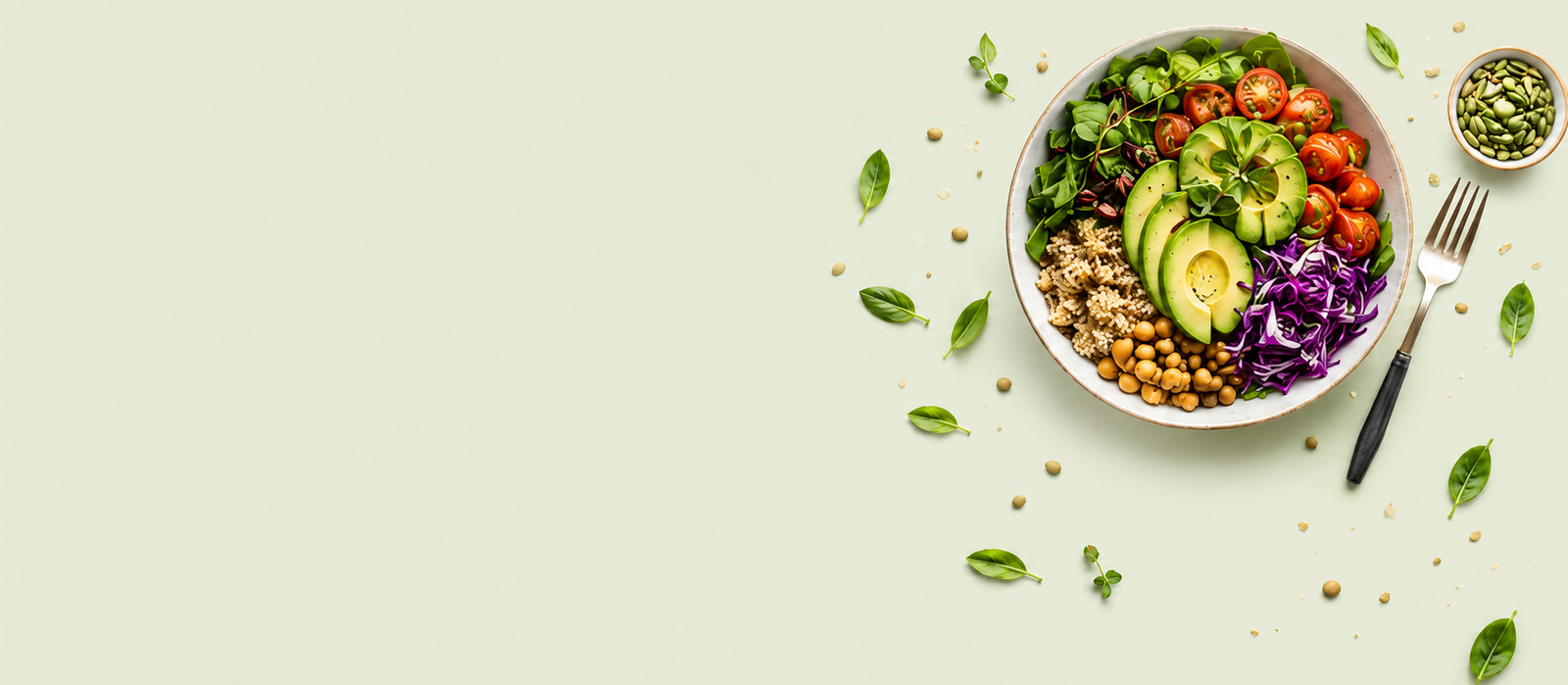
If you’re looking for easy vegetarian meals that are filling, flavorful, and simple enough for meal prep, protein bowls are a great place to start. These bowls combine plant-based protein, wholesome grains, fresh vegetables, and flavorful toppings to create complete meals without making cooking complicated.
This collection features five easy vegetarian protein bowl ideas: Chickpea Power Bowl, Tofu Teriyaki Bowl, Lentil Grain Bowl, Black Bean Fiesta Bowl, and Edamame Super Bowl. Each bowl uses a different combination of protein, grains, vegetables, and dressing, so you can keep your meals interesting throughout the week.
The ingredient quantities and nutrition information below are practical recipe estimates because the provided Pinterest description lists the bowl components but does not give exact measurements or nutrition values.
1. Chickpea Power Bowl
The Chickpea Power Bowl combines quinoa, chickpeas, fresh vegetables, and a creamy tahini dressing. It is hearty enough for lunch or dinner and works especially well for weekly meal prep.
Recipe at a Glance
- Prep Time: 15 minutes
- Cook Time: 15 minutes
- Total Time: 30 minutes
- Servings: 4
- Serving Size: Approximately 400 g
- Calories: Approximately 500 per serving
- Protein: Approximately 19 g per serving
Ingredients
For the Bowl
- 2 cups cooked quinoa (about 370 g)
- 2 cups cooked chickpeas (about 330 g)
- 1 medium cucumber (about 200 g), diced
- 2 medium tomatoes (about 240 g), chopped
- 1 medium carrot (about 100 g), grated
- 2 cups baby spinach (about 60 g)
- ¼ cup pumpkin seeds (about 30 g)
For the Tahini Dressing
- ¼ cup tahini (about 60 g)
- 2 tablespoons lemon juice
- 1 tablespoon olive oil
- 1 small garlic clove, minced
- 2–3 tablespoons water
- Salt to taste
How to Make the Chickpea Power Bowl
- Cook the quinoa according to the package directions and allow it to cool slightly.
- Drain and rinse the chickpeas well.
- Prepare the cucumber, tomatoes, carrot, and spinach.
- To make the dressing, whisk together tahini, lemon juice, olive oil, garlic, and salt.
- Add water gradually until the dressing becomes smooth and easy to drizzle.
- Divide the cooked quinoa between four bowls or meal-prep containers.
- Add chickpeas, spinach, cucumber, tomatoes, carrots, and pumpkin seeds.
- Drizzle with tahini dressing before serving, or keep the dressing separate for meal prep.
Benefits
Chickpeas and quinoa provide plant-based protein and fiber, while the vegetables add variety of nutrients and fresh texture. Tahini and pumpkin seeds also provide healthy fats and additional nutrients.
Storage
Store the assembled ingredients in airtight containers in the refrigerator for approximately 3–4 days. Keep the tahini dressing separate when possible.
2. Tofu Teriyaki Bowl
The Tofu Teriyaki Bowl brings together crispy tofu, brown rice, edamame, and colorful vegetables with a sweet and savory teriyaki sauce. It is one of the best options in this collection if you’re looking for a higher-protein vegetarian meal.
Recipe at a Glance
- Prep Time: 15 minutes
- Cook Time: 20 minutes
- Total Time: 35 minutes
- Servings: 4
- Serving Size: Approximately 430 g
- Calories: Approximately 540 per serving
- Protein: Approximately 25 g per serving
Ingredients
- 400 g firm tofu
- 2 cups cooked brown rice (about 390 g)
- 1½ cups shelled edamame (about 225 g)
- 1 red bell pepper (about 150 g), sliced
- 1 medium carrot (about 100 g), sliced or julienned
- 1 cup broccoli florets (about 150 g)
- 1 tablespoon sesame seeds
For the Teriyaki Sauce
- ¼ cup low-sodium soy sauce
- 1 tablespoon maple syrup or honey
- 1 tablespoon rice vinegar
- 1 teaspoon sesame oil
- 1 teaspoon grated ginger
- 1 garlic clove, minced
- 1 teaspoon cornstarch
- 1 tablespoon water
How to Make the Tofu Teriyaki Bowl
- Wrap the tofu in a clean kitchen towel and gently press it for 10–15 minutes to remove excess moisture.
- Cut the tofu into bite-sized cubes.
- Heat a nonstick skillet over medium-high heat and lightly oil it.
- Add the tofu and cook for about 8–10 minutes, turning occasionally, until the outside becomes golden and firm.
- In a small saucepan, combine soy sauce, maple syrup or honey, rice vinegar, sesame oil, ginger, and garlic.
- Bring the sauce to a gentle simmer.
- Mix the cornstarch with water and stir it into the sauce. Cook for about 30–60 seconds until slightly thickened.
- Add the cooked tofu and toss until evenly coated.
- Steam or lightly sauté the broccoli, bell pepper, carrot, and edamame until tender but still slightly crisp.
- Divide the brown rice between four bowls and top with the tofu, vegetables, and edamame.
- Finish with sesame seeds and extra teriyaki sauce if desired.
How to Know the Tofu Is Ready
The tofu should have golden-brown edges and a firm exterior. Avoid cooking it until it becomes excessively dry.
Meal Prep Tip
Store the tofu, vegetables, and rice in airtight containers. Keep additional sauce separately if you prefer the freshest flavor when reheating.
3. Lentil Grain Bowl
The Lentil Grain Bowl combines hearty lentils with a wholesome grain, roasted sweet potato, greens, and creamy hummus. The roasted sweet potato adds natural sweetness while the hummus brings a rich, savory finish.
Recipe at a Glance
- Prep Time: 15 minutes
- Cook Time: 30 minutes
- Total Time: 45 minutes
- Servings: 4
- Serving Size: Approximately 430 g
- Calories: Approximately 520 per serving
- Protein: Approximately 21 g per serving
Ingredients
- 2 cups cooked lentils (about 400 g)
- 2 cups cooked quinoa (about 370 g)
- 2 medium sweet potatoes (about 400 g), cubed
- 1 cup hummus (about 240 g)
- 2 cups chopped spinach or mixed greens (about 60 g)
- 1 tablespoon olive oil
- 1 teaspoon smoked paprika
- ½ teaspoon cumin
- Salt and black pepper to taste
- 2 tablespoons chopped fresh parsley
How to Make the Lentil Grain Bowl
- Preheat the oven to 425°F (220°C).
- Cut the sweet potatoes into evenly sized cubes.
- Toss them with olive oil, smoked paprika, cumin, salt, and black pepper.
- Spread the sweet potatoes in a single layer on a baking sheet.
- Roast for approximately 25–30 minutes, turning them halfway through cooking.
- The sweet potatoes are ready when they are fork-tender with lightly browned edges.
- Prepare the cooked quinoa and warm the lentils gently.
- Divide the quinoa between four bowls.
- Add lentils, roasted sweet potatoes, and greens.
- Add hummus and finish with fresh parsley.
Cooking Tip
Avoid overcrowding the baking sheet. Leaving space between the sweet potato pieces helps them roast and develop browned edges instead of becoming steamed and soft.
Storage
Store the cooked grains, lentils, and sweet potatoes in airtight containers for approximately 3–4 days. Keep hummus separate if you prefer a fresher texture.
4. Black Bean Fiesta Bowl
The Black Bean Fiesta Bowl is a colorful combination of black beans, brown rice, corn, avocado, salsa, and fresh lime. It has plenty of texture and can be made quickly when you need an easy vegetarian lunch or dinner.
Recipe at a Glance
- Prep Time: 15 minutes
- Cook Time: 10 minutes
- Total Time: 25 minutes
- Servings: 4
- Serving Size: Approximately 400 g
- Calories: Approximately 510 per serving
- Protein: Approximately 18 g per serving
Ingredients
- 2 cups cooked black beans (about 340 g)
- 2 cups cooked brown rice (about 390 g)
- 1 cup corn (about 165 g)
- 1 large tomato (about 180 g), diced
- 1 avocado (about 150 g edible portion), sliced
- ½ cup salsa (about 120 g)
- ½ red onion (about 60 g), finely chopped
- ¼ cup fresh cilantro
- Juice of 1 lime
- ½ teaspoon cumin
- ½ teaspoon chili powder
- Salt to taste
How to Make the Black Bean Fiesta Bowl
- Drain and rinse the black beans if using canned beans.
- Heat the beans in a skillet with cumin, chili powder, and a pinch of salt for approximately 4–5 minutes.
- Prepare the tomato, red onion, cilantro, and avocado.
- Warm the brown rice and corn.
- Divide the rice between four bowls.
- Add the seasoned black beans and corn.
- Top with diced tomato, red onion, avocado, salsa, and cilantro.
- Finish with fresh lime juice just before serving.
How to Increase the Protein
For a higher-protein bowl, add grilled tofu or increase the amount of black beans. Keep in mind that increasing the protein ingredients will also change the calories and overall nutrition.
Meal Prep Tip
If you’re preparing this bowl ahead of time, store the avocado and salsa separately. Add them immediately before eating to keep the bowl fresh.
5. Edamame Super Bowl
The Edamame Super Bowl is designed around two plant-based protein sources: tofu and edamame. Brown rice or quinoa creates a hearty base, while cucumber, carrot, cabbage, and green onion add freshness and crunch.
Recipe at a Glance
- Prep Time: 15 minutes
- Cook Time: 15 minutes
- Total Time: 30 minutes
- Servings: 4
- Serving Size: Approximately 420 g
- Calories: Approximately 530 per serving
- Protein: Approximately 27 g per serving
Ingredients
- 300 g firm tofu
- 2 cups shelled edamame (about 300 g)
- 2 cups cooked brown rice or quinoa (about 380 g)
- 1 cucumber (about 200 g), sliced
- 1 medium carrot (about 100 g), grated
- 1 cup shredded cabbage (about 90 g)
- 2 green onions, sliced
- 1 tablespoon sesame seeds
For the Sesame Dressing
- 2 tablespoons tahini
- 1 tablespoon sesame oil
- 1 tablespoon soy sauce
- 1 tablespoon rice vinegar
- 1 teaspoon maple syrup
- 1–2 tablespoons water
How to Make the Edamame Super Bowl
- Press the tofu for approximately 10–15 minutes to remove excess moisture.
- Cut the tofu into bite-sized pieces.
- Heat a skillet over medium-high heat and lightly oil it.
- Cook the tofu for approximately 8–10 minutes, turning occasionally, until golden on the outside.
- Cook the edamame according to the package directions until heated through.
- Prepare the cucumber, carrot, cabbage, and green onion.
- Whisk together tahini, sesame oil, soy sauce, rice vinegar, maple syrup, and water to make the dressing.
- Divide the cooked rice or quinoa between four bowls.
- Add tofu, edamame, cucumber, carrot, cabbage, and green onion.
- Drizzle with sesame dressing and sprinkle with sesame seeds.
Why This Bowl Is High in Protein
Tofu and edamame are the main protein sources in this bowl. Combining both ingredients makes this the highest-protein option in this collection, with an estimated 27 g of protein per serving.
Benefits of Vegetarian Protein Bowls
These bowls are built around a combination of protein-rich vegetarian ingredients, whole grains, vegetables, and flavorful toppings.
Protein: Tofu, edamame, lentils, chickpeas, black beans, quinoa, and hummus all contribute plant-based protein.
Fiber: Beans, lentils, chickpeas, vegetables, and whole grains provide dietary fiber, which can help make a meal more satisfying.
Whole grains: Brown rice and quinoa provide carbohydrates along with fiber and other nutrients.
Vegetables: Using several different vegetables adds color, texture, and a variety of vitamins and minerals.
Healthy fats: Ingredients such as avocado, tahini, pumpkin seeds, and sesame seeds add fats that contribute to the overall balance of the meal.
How to Build Your Own Vegetarian Protein Bowl
Once you understand the basic formula, you don’t really need a recipe every time.
Choose a Protein
Start with tofu, lentils, chickpeas, black beans, edamame, paneer, or tempeh.
Choose a Base
Brown rice and quinoa are easy choices, but you can also use barley, farro, or another whole grain.
Add Vegetables
Use a combination of raw and cooked vegetables. Cucumber, carrots, cabbage, spinach, broccoli, tomatoes, peppers, and sweet potatoes all work well.
Add a Dressing
The dressing is what can completely change the flavor of the bowl. Try tahini-lemon dressing, sesame-soy dressing, hummus, salsa and lime, or a simple vinaigrette.
Meal Prep Tips
All five bowls can be adapted for meal prep.
Cook a large batch of rice or quinoa at the beginning of the week, prepare your chosen protein, and roast or chop several vegetables at once. Divide everything into airtight containers and keep sauces separate whenever possible.
Fresh ingredients such as avocado, herbs, salsa, and crunchy toppings are best added shortly before eating.
Refrigerate prepared food promptly and aim to use refrigerated leftovers within approximately 3–4 days for best quality and food safety.
Common Mistakes to Avoid
Making the Bowl Too Dry
Grains and protein can become dry when eaten together without a sauce. Keep dressing on the side so you can add enough just before eating.
Overcooking Vegetables
Vegetables should generally remain tender with some texture. Cooking them too long can make the entire bowl soft and watery.
Not Pressing Tofu
Extra moisture makes it harder for tofu to brown properly. Pressing it before cooking helps create a firmer exterior.
Overcrowding the Baking Sheet
When roasting sweet potatoes or other vegetables, leave space between pieces. Crowding traps steam and prevents proper browning.
Adding Dressing Too Early
This is especially important for meal prep. Dressing can make vegetables and greens soggy if they sit together for several days.
Underseasoning the Base
Rice, quinoa, lentils, and beans can taste bland if they’re not seasoned. Season the individual components instead of expecting the final dressing to do all the work.
Frequently Asked Questions
Can I make these bowls vegan?
Yes. The bowl combinations can be made vegan by using plant-based ingredients and choosing maple syrup instead of honey where necessary.
Which vegetarian protein bowl has the most protein?
The Edamame Super Bowl has the highest estimated protein content at approximately 27 g per serving, mainly from tofu and edamame.
Can I use quinoa instead of brown rice?
Yes. Quinoa can replace brown rice in most of these bowls. The flavor and texture will change slightly, and the nutrition will vary depending on the amount used.
Can I replace tofu with paneer?
Yes. Paneer can be used instead of tofu, although it will make the bowl richer and will change the protein, fat, calorie, and overall nutrition values.
Are these bowls good for meal prep?
Yes. Cooked grains, beans, lentils, tofu, and roasted vegetables generally work well for meal prep. Store fresh toppings and dressings separately for better texture.
How can I make these bowls higher in protein?
Increase the amount of tofu, lentils, chickpeas, black beans, or edamame. Tempeh can also be used as another protein-rich option.
Can I freeze vegetarian protein bowls?
Cooked grains, beans, lentils, and tofu can generally be frozen, but fresh vegetables, avocado, and some dressings are better prepared fresh after thawing.
Can I make these bowls gluten-free?
Most of the main ingredients are naturally gluten-free, but sauces such as soy sauce may contain wheat. Use a gluten-free alternative such as tamari when appropriate and check packaged ingredients carefully.
Final Thoughts
These five vegetarian protein bowls make it easier to build satisfying meat-free meals without relying on the same combination every day. The Chickpea Power Bowl brings quinoa and tahini together, the Tofu Teriyaki Bowl adds a savory sauce and edamame, the Lentil Grain Bowl pairs roasted sweet potato with hummus, the Black Bean Fiesta Bowl delivers fresh salsa and avocado, and the Edamame Super Bowl combines tofu and edamame for an especially protein-focused option.
Prepare your grains and protein in batches, keep sauces and delicate toppings separate, and mix up the vegetables throughout the week. With the same basic ingredients, you can create several different meals that are practical, flavorful, and easy to prepare.